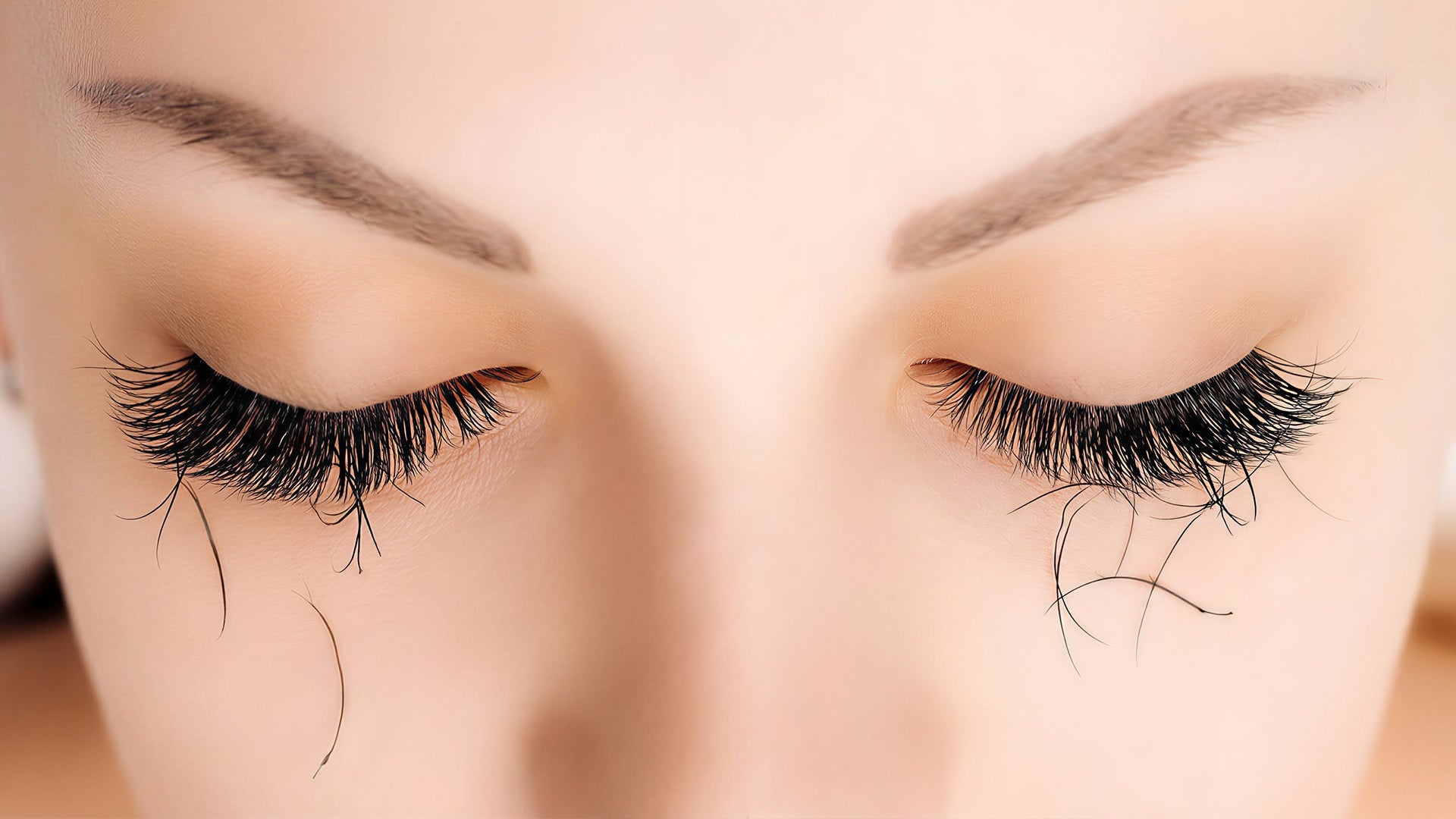
You’ve poured your expertise, creativity, and precision into a lash set. But then, a day or two later, you spot it—an extension that’s twisted out of place, or worse, several of them leaning at odd angles. It’s a frustrating reality for many lash professionals. Twisted lashes aren’t just an aesthetic problem; they can compromise client comfort and, more importantly, indicate a weak bond that risks the health of the natural lash beneath.
Achieving a perfect set requires more than just beautiful fans; it relies on a flawless application from the root up. This guide will walk you through the primary causes of twisting and leaning and provide you with actionable, professional solutions to secure every lash extension perfectly.
The Foundation of a Perfect Bond: The Role of Lash Placement
Before we look at other contributing factors, we must address the most critical element of the entire application process: how the extension adheres to the natural lash. The strength of this initial bond determines everything. If the foundation is unstable, the entire structure is at risk of failure.
Improper Adhesion at the Root is the Leading Cause
Think of lash application like building a house. If the foundation is cracked or uneven, the walls will be unstable. The root of your client’s natural lash is the foundation for your eyelash extension.
When placing an extension, it must be positioned as close to the natural lash’s root as possible without touching the skin. This proximity is non-negotiable for two key reasons:
Maximized Surface Area for Bonding
Adhesive works best by creating a strong bond between two surfaces. By placing the extension at the root, you offer the eyelash extension glue the maximum possible surface area to grip, ensuring a strong and durable hold.
Correct Weight Distribution
An eyelash extension has weight. When placed correctly at the root, this weight is distributed directly along the natural lash shaft. When placed too far down the lash, the weight creates leverage, a force that can easily cause the lash to twist, flip, or drop downwards under its own weight.
Mastering the Technique for a Flawless Foundation
Fixing this issue comes down to refining your technique, particularly how you use your tools. Your tweezers are your most precise instruments, and their proper use is essential. For those who may be struggling to find the perfect pair, a great place to start is exploring a collection designed for this specific purpose. If you’re not sure which tweezers can provide the stability you need, the LASHVIEW collection offers a variety of options, each engineered for maximum precision during isolation and placement.

Achieving Root-Level Adhesion with Professional Technique:
Flawless Isolation
Begin by isolating a single natural lash using your fine-tip tweezers. Hold it firmly and straight to eliminate any natural kinks that could cause the extension to sit awkwardly.
The F-Dip Method
Instead of simply dipping the entire extension into the glue, try the “F-dip.” Use your tweezers to gently dip only the very base of the extension (the korta) into the adhesive pool. This ensures that the part of the lash needing the most glue gets the thickest coat.
Gentle and Firm Placement
Using your other hand, guide the extension to the base of the isolated natural lash. Lower it gently but firmly, ensuring that the root of the extension lies perfectly flat against the natural lash. For 2-3 seconds, hold it in place with your tweezers. You may see a tiny, crystalline line of curing glue confirming that the bond is solid at the root.
By making this your standard practice for every single lash, you create the rock-solid foundation necessary to prevent twisting and leaning from the very beginning.
How Glue Performance Influences Lash Stability?
While proper placement is the bedrock, the adhesive itself plays a pivotal role in how securely a set remains. The eyelash extension glue is the workhorse that translates your expert technique into a lasting masterpiece.
The Drying Time/Humidity Mismatch
Not all glues are created equal, and using the wrong product for your environment is a common pitfall. In simpler terms, if your glue doesn’t set fast enough for the conditions, your lashes have a chance to move before they are locked in place.
In a hot and humid studio atmosphere, a slow-drying glue can remain too tacky for too long. This extended working time allows extensions to shift against one another, get pushed crooked by your client’s blink, or even slide down the natural lash before the full polymerization (curing) process is complete. The result? Twists, kinks, and leaning extensions the next day.
The solution is to be intentional about your glue selection. If you find yourself unsure about which adhesive formula is right for your specific humidity level, exploring a specialized line can be a game-changer. LASHVIEW, for instance, offers multiple eyelash extension glues, all designed with different viscosities and curing speeds to ensure a perfect bond in any environment. A high-performance glue provides a predictable, fast-curing bond that withstands humidity, ensuring that your meticulously placed extensions stay exactly where you put them.

Client and Environmental Factors That Can Sabotage Your Work
Even the most perfect application can be undone by factors outside of your control. Understanding these allows you to manage client expectations and provide them with the tools to protect their investment.
The Impact of Improper Aftercare on Adhesion
The 48 hours immediately following a lash appointment are the most critical for the adhesive bond to reach its maximum strength. During this time, the glue is still fully curing. If a client rubs their eyes, uses oily makeup removers, spends time in a steamy shower, or sleeps directly on their lashes, they can physically disrupt or break the newly formed bond.
This disruption is a primary cause of extensions that begin to lift or shift, leading to that frustrating twisting effect. It’s not always a failure of your application technique; it’s often a failure of aftercare.
The Solution: Empower Your Clients with Clear Aftercare Education
The best way to combat this is to provide crystal-clear, professional aftercare instructions. Go beyond a simple card. Show your clients how to gently clean their lashes using a recommended foam cleanser, explain the dangers of oil-based products, and advise them to sleep on their back or with a clean silk pillowcase. By educating them, you turn your clients into active partners in maintaining their beautiful lash look.
Your Professional Checklist for a Flawless, Long-Lasting Set
To ensure every single lash extension you apply is a testament to your skill, follow this professional checklist.
- Client Preparation: Ensure the lash line is clean and free of any natural oils or makeup residues for a pristine bonding surface.
- Lash Isolation: Master isolation. Work one lash at a time to ensure each extension has its own space.
- The Perfect Placement: Always place the extension at the root of the natural lash, ensuring a flat, stable bond.
- Strategic Glue Use: Use the F-dip method and a high-quality, environment-appropriate eyelash extension glue for optimal strength.
- The Crucial Hold: Hold each extension in place for 2-3 seconds to allow the bond to set before moving to the next lash.
- Client Education: Provide clear, take-home aftercare instructions to protect the client’s investment and your work.
By focusing on these core principles—from perfecting your application technique to selecting superior products—you can reliably eliminate twisting and leaning. This dedication to excellence leads to happier, more loyal clients and a flourishing reputation for providing exceptional, long-lasting results.