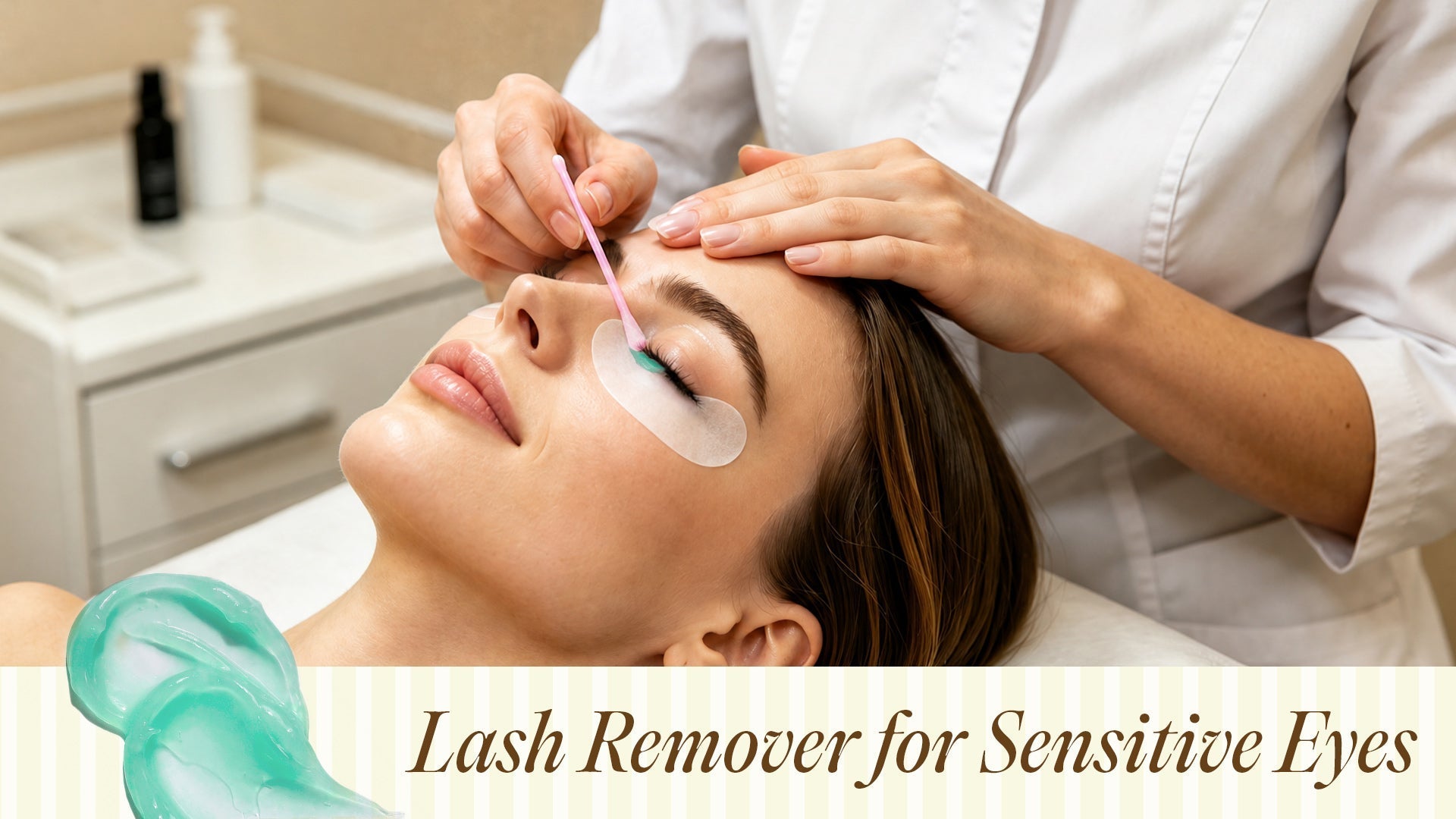
A clean lash removal is one of those services clients rarely think about until something goes wrong. When it is done well, the experience feels calm: no tugging, no panic, no burning, no sticky residue sitting on the lash line after the client opens her eyes. The old set slides away, the natural lashes look intact, and the eye area feels ready for either a break or a fresh set.
For lash artists, removal is not just a “take-off” step. It is part of client safety, retention, and trust. A rushed removal can undo weeks of careful lash work. A controlled removal, on the other hand, protects the natural lashes and shows the client that the salon is as serious about aftercare as it is about application.
This SOP is written for professional lash artists, salon teams, and advanced beauty users who want to understand how cream and gel lash removers are used in a controlled service setting. It is not meant to replace manufacturer instructions, state board rules, or hands-on training. Because false eyelashes, lash extensions, and adhesives are used close to the eyes, the FDA reminds consumers and professionals to treat the eyelid area carefully and check ingredients before using adhesive products near the eyes.
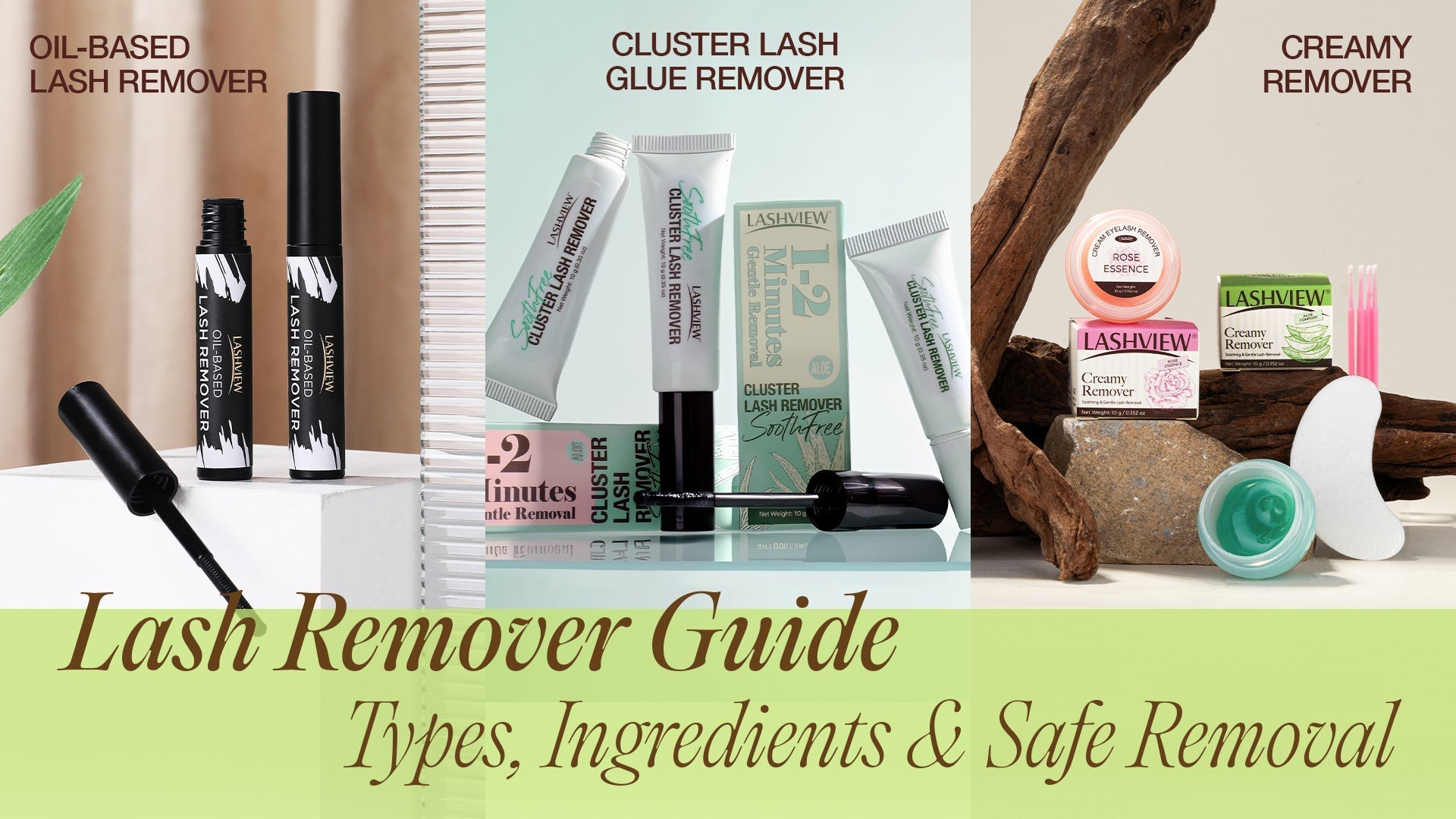
For a broader overview of remover types and safety, start with our lash remover guide. This article goes deeper into the professional workflow.
Looking for lash care and eye beauty essentials?
Shop Lashview on Amazon
Why Professional Lash Removal Needs a Real SOP
The difference between a smooth removal and a stressful one usually comes down to control. The artist needs control over the product, the client’s eye position, the timing, the adhesive breakdown, and the cleanup.
Lash extension adhesive is not the same as daily strip lash glue. It is designed to hold extensions to natural lashes through normal wear, cleansing, and daily movement. That is why a professional removal service should not be treated like wiping off eyeliner at the end of the night.
The FDA considers false eyelashes, eyelash extensions, and their adhesives cosmetic products, and it notes that allergic reactions, irritation, or injury in the eye area can be especially troublesome because the eyelids are delicate. A published case report also described ocular injury after misapplication of eyelash extension removal solvent, which is exactly why product placement and professional control matter during removal.
A written SOP gives lash artists a shared standard. It also helps newer team members understand that the goal is not simply “get the extensions off.” The goal is to remove them without pulling natural lashes, flooding the eye area, or leaving adhesive residue behind.
Cream vs Gel Lash Remover: The Practical Difference
Cream and gel removers can both be used in professional lash removal, but they feel different in the hand.
Cream remover is usually chosen when control is the priority. It tends to stay where it is placed, which makes it useful for full removals and clients with sensitive eyes. Gel remover spreads more easily and can feel faster, especially for targeted correction or partial removal, but it still needs careful placement because a lighter texture can move when too much product is used.
|
Remover Format |
Best Use Case |
Why Artists Like It |
What Needs Control |
|
Cream remover |
Full removal, sensitive clients, clean base before fresh set |
Thick texture, more localized placement |
Thorough cleanup, correct timing |
|
Gel remover |
Spot correction, partial removal, selected fans |
Smooth spread, efficient for smaller areas |
Product migration, over-application |
|
Liquid remover |
Light residue or limited professional use |
Fast and thin |
Higher risk of running near the eye |
|
Oil-based remover |
Some strip glue or cluster bond residue |
Familiar texture, gentle softening |
Not reliable for professional extension adhesive |
For a fuller buying and texture comparison, link readers to gel vs cream vs liquid lash remover. This SOP focuses on the two textures most relevant to controlled professional work: cream and gel.
Before the Removal: Read the Client’s Lashes First
A good removal starts before the remover touches the lashes.
The artist should look at the set carefully. Are the extensions grown out? Are there twisted fans pulling the natural lashes? Is there visible residue from makeup or oil? Is the client reporting itching, burning, redness, or tenderness? A client who arrives with irritation needs a different level of caution than a client simply ready for a fresh set.
The eye area also needs to be clean enough for controlled work. Heavy mascara, oily skincare, or old liner can make removal messier and harder to assess. The FDA’s eye cosmetic safety guidance emphasizes clean tools, clean hands, and stopping eye cosmetics that irritate; the same hygiene-first logic belongs in a lash removal service.
This is also the moment to set expectations. A professional removal should feel controlled, not rushed. The client should know to keep their eyes closed, avoid talking too much during product placement, and tell the artist immediately when anything stings, burns, or feels sharp.
For clients with extra sensitivity concerns, the next supporting article should be lash remover for sensitive eyes.
Professional Lash Removal SOP
This is the part of the article where structure is useful. A salon SOP should be easy for a lash artist to scan before training, service review, or internal QA.
Step 1: Set up a clean, calm station
Start with clean hands, clean tools, fresh applicators, and a controlled work area. The remover, micro brushes, lint-free swabs, eye pads, cleanser, and waste disposal should be within reach before the client lies down.
This is not just about looking professional. Once the remover is on the lashes, the artist should not be searching for tools.
Step 2: Confirm eye closure and client comfort
The client’s eyes need to stay fully closed during remover placement. Even a small gap can increase the chance of fumes, product movement, or irritation.
A quick comfort check helps: ask the client to relax the forehead, soften the eyelids, and keep the eyes closed until told otherwise. Some clients squeeze their eyes shut when nervous, which can shift the eye pads and make placement less controlled.
Step 3: Protect the lower lashes and skin
Apply eye pads or suitable protection according to salon protocol. The goal is to keep the lower lashes away from the working area and create a clean visual field.
Pads should feel comfortable and should not sit too high in the eye. A client who feels poking before the service starts will be harder to keep relaxed during removal.
Step 4: Isolate the removal zone
For a full removal, the artist may work across sections. For spot correction, isolate only the extensions that need to come off. Isolation keeps the remover from spreading into areas that do not need the product.
This is where a trained hand matters. The cleaner the isolation, the less product is needed.
Step 5: Apply cream or gel remover with restraint
The remover should be placed where the adhesive bond needs to soften, not smeared broadly across the eyelid or pushed toward the waterline. A cream remover usually sits more quietly; a gel remover may spread faster and should be applied with particular attention to quantity.
More products do not make the service more professional. In many cases, it only makes cleanup harder.
Step 6: Allow the remover to work
Every remover has its own timing, so the manufacturer’s instructions should guide the service. The important part is patience. Extensions should not be forced off before the adhesive has softened.
During the wait time, the client should remain still with eyes closed. The artist should watch for watering, facial tension, or any sign that the product is moving where it should not.
Step 7: Slide extensions away gently
Once the adhesive has softened, extensions should release with a sliding motion. The movement should feel light, not like tweezing or pulling.
Natural lashes should not be used as leverage. A fan or extension that resists needs more softening, not more force.
Step 8: Remove residue thoroughly
Residue cleanup is where many removals lose their polish. Leftover remover and adhesive can affect comfort, lash health, and the quality of a fresh set.
Use appropriate cleansing steps according to the remover instructions and salon protocol. The lash line should feel clean before the client opens her eyes.
Step 9: Inspect the natural lashes
After removal, the artist should check the natural lashes. Some natural shedding is normal, but clumped, adhesive, broken-looking lashes or irritated skin should be noted.
This is also the right moment to decide whether the client is ready for a fresh set or should take a short break.
Step 10: Give aftercare guidance
A professional removal does not end when the lashes come off. The client should leave knowing what to expect, how to keep the area clean, and when to call the salon or a medical professional.
Strong redness, swelling, pain, blurred vision, or irritation that persists is not something to ignore. FDA guidance advises stopping irritating eye cosmetics and seeing a doctor when irritation persists.
Cream Lash Remover: When It Feels Like the Better Choice
Cream remover is the texture many artists reach for when they want a slower, calmer removal. It is especially useful when the service calls for control rather than speed.
A full removal before a fresh set is a good example. The artist needs time to soften the adhesive across many bonds, slide away extensions, and leave the natural lashes clean. A thicker texture makes it easier to keep the product localized instead of chasing the remover that has started to travel.
Cream remover also tends to feel more reassuring for sensitive clients because the artist can see and control placement more easily. That does not make it automatically irritation-proof. It simply gives the professional more control.
This is why cream remover is often discussed in sensitive-eye content. Link this section naturally to lash remover for sensitive eyes.
Gel Lash Remover: Where Speed and Precision Meet
Gel remover has its place, especially in spot work. A lash artist correcting a small section may appreciate how smoothly gel moves through the adhesive area. It can be efficient without feeling as heavy as cream.
The tradeoff is discipline. A little gel can spread farther than expected, especially near the inner corner or on a client whose eyes water easily. The artist needs to use a measured amount and keep the product away from the waterline.
In an editorial training context, gel remover is best described as precise but not casual. It rewards a steady hand.
Full Removal vs Spot Correction vs Fresh Set Prep
Not every removal has the same purpose. A full removal, a spot correction, and a fresh set prep all need slightly different thinking.
A full removal is about clearing the entire set while protecting the natural lashes. Cream remover often makes sense here because control and thorough cleanup matter.
Spot correction is more targeted. The artist may remove grown-out extensions, twisted fans, or a section that no longer fits the mapping. Gel remover may be useful because it can move efficiently through a small area.
Fresh set prep is more demanding than it sounds. The lashes must be free of remover, adhesive residue, oil, and debris before new extensions are applied. A fresh set placed over residue rarely performs beautifully.
For readers deciding between remover textures by task, gel vs cream vs liquid lash remover should be the next internal link.
What Not to Do During Professional Lash Removal
This section can be short, but it should be direct. Lash artists do not need fear-based writing; they need clear boundaries.
Do not flood the lash line with remover. Do not apply remover directly into the eye or waterline. Do not pull extensions that are still bonded. Do not let the client open her eyes while the remover is still present. Do not rush the cleanup because the next client is waiting. Do not reapply a fresh set over remover residue.
These mistakes are not only uncomfortable for the client; they can damage trust. Eye-area services depend on the client feeling safe while her eyes are closed.
The American Academy of Ophthalmology has warned that eyelash extension glue can trigger pain, itching, redness, and swelling in allergic reactions, and some glues have contained formaldehyde in the past. A 2022 study also evaluated professional and consumer eyelash glues for formaldehyde release, reinforcing why adhesive-related services deserve ingredient awareness and careful handling.
Client Red Flags During Removal
A calm client may feel light pressure or awareness during removal. She should not feel burning, sharp pain, or chemical exposure.
When a client reports strong stinging, watering, pain, or sudden discomfort, the removal should pause immediately. The artist should follow product safety instructions and salon protocol, remove product carefully, and reassess before continuing. Persistent eye pain, blurred vision, swelling, or worsening redness belongs outside the scope of a beauty appointment and needs medical guidance.
A published case report on eyelash extension remover solvent injury is a useful reminder that misapplication can have real consequences.
For readers who are asking whether they can remove extensions themselves at home, this section should link to " Can you remove eyelash extensions at home. That article should explain the risk difference between salon extension adhesive and temporary cluster bond.
Salon Training Checklist
A checklist is appropriate here because this section is meant for training, not storytelling.
|
Training Point |
Standard to Check |
|
Client consultation |
The artist asks about irritation, sensitivity, discomfort, and the service goal |
|
Eye protection |
Pads are comfortable and not placed too high |
|
Eye closure |
The client keeps their eyes fully closed before the remover is applied |
|
Product choice |
Cream, gel, or other remover selected by task |
|
Product amount |
Remover is applied only where the adhesive needs softening |
|
Timing |
Manufacturer instructions are followed |
|
Release method |
Extensions slide off without force |
|
Cleanup |
Remover and adhesive residue are fully removed |
|
Final inspection |
Natural lashes and eyelid comfort are checked |
|
Aftercare |
The client knows what is normal and what needs attention |
This type of checklist is useful for salon consistency, especially when more than one artist works under the same brand standard.
Professional Lash Remover FAQ
What is the best lash remover for professional extension removal?
There is no single best format for every service. Cream remover is often preferred for controlled full removals, while gel remover can be useful for spot correction or targeted removal. The better choice depends on the adhesive, client sensitivity, artist skill, and service goal.
Is cream lash remover safer than gel remover?
Cream remover usually offers more placement control because it is thicker, but technique still matters. A cream product used carelessly can still irritate, and a gel product used carefully can be appropriate for professional work.
Can lash artists use oil to remove eyelash extensions?
Oil may soften some daily lash glues or cluster bonds, but professional eyelash extension adhesive is different. A salon removal should use products intended for that purpose and follow the manufacturer's instructions.
How long should lash remover sit?
Timing depends on the specific remover and the manufacturer's instructions. A professional article should not invent a universal wait time. The artist should follow the product’s directions and watch the adhesive release rather than forcing extensions off early.
What causes stinging during lash removal?
Stinging can come from product migration, eye opening, sensitivity, fumes, residue, or irritation already present before removal. The service should pause when discomfort is strong or sudden.
Should a fresh set be applied immediately after removal?
A fresh set can only be considered when the natural lashes are clean, comfortable, and free of remover residue. Irritated eyes or inflamed skin need rest, not another service layered on top.
Can clients remove extensions at home?
Salon extensions are best removed by a professional. At-home pulling, oils, steam, or random removers can stress natural lashes and irritate the eyes. For a full explanation, read Can You Remove Eyelash Extensions at Home.
Final Takeaway
Professional lash removal is not a cleanup chore. It is a technical service that protects the natural lashes, the client’s comfort, and the salon’s reputation.
Cream remover is usually the calmer choice for full removals and sensitive clients because it gives the artist more control. Gel remover can be excellent for targeted work when the artist has a steady hand and a clear plan. In both cases, the real standard is the same: clean isolation, careful placement, proper timing, gentle release, and thorough residue removal.
The best lash artists know that removal should feel uneventful. No tugging. No flooding. No rushed cleanup. Just a quiet, controlled service that leaves the client’s natural lashes ready for whatever comes next.
Ready to support your lash care routine?
Shop Lashview on Amazon