Removing lash extensions is not just about dissolving adhesive and taking extensions off quickly. For licensed lash professionals, a proper removal service also involves product control, eye-area protection, sanitation, client comfort, and knowing whether a client needs a full removal or only targeted correction.
In other words, a good removal appointment should feel like part of a professional lash workflow—not like a rushed cleanup step at the end of the service. When removal is handled with more control, it becomes easier to protect the eye area, communicate clearly with the client, and create a cleaner starting point for whatever comes next.
Why Professional Lash Removal Matters
One of the biggest mistakes in lash services is treating removal like a minor add-on. In reality, removal changes the direction of the entire appointment. It affects how comfortable the client feels, how clean the natural lashes are afterward, and whether the next service can move forward smoothly.
That is why professional lash removal should start with the same mindset as application: controlled setup, clear service goals, and a clean working environment. If a client needs a full reset, the removal needs to support that reset. If the appointment only needs targeted correction, the removal process should stay precise and intentional.
For lash techs, removal is also a judgment step. Sometimes the right decision is to preserve what still works. Other times, the more professional choice is to remove the set completely and begin again from a cleaner foundation.
What Is Cream Eyelash Remover?
Cream eyelash remover is designed to help break down the adhesive bonds that hold lash extensions in place. In professional lash workflows, it is often preferred when more control matters, especially during full-removal appointments.
One reason many lash techs like cream remover is its texture. A thicker texture can make placement feel more controlled, which is especially helpful around the eye area. Instead of thinking about remover as just a product that “works faster” or “works stronger,” it is more useful to think of it as part of the overall workflow. The goal is not simply to remove extensions. The goal is to remove them in a way that feels controlled, clean, and service-ready.
Shop Professional Cream Remover on Amazon
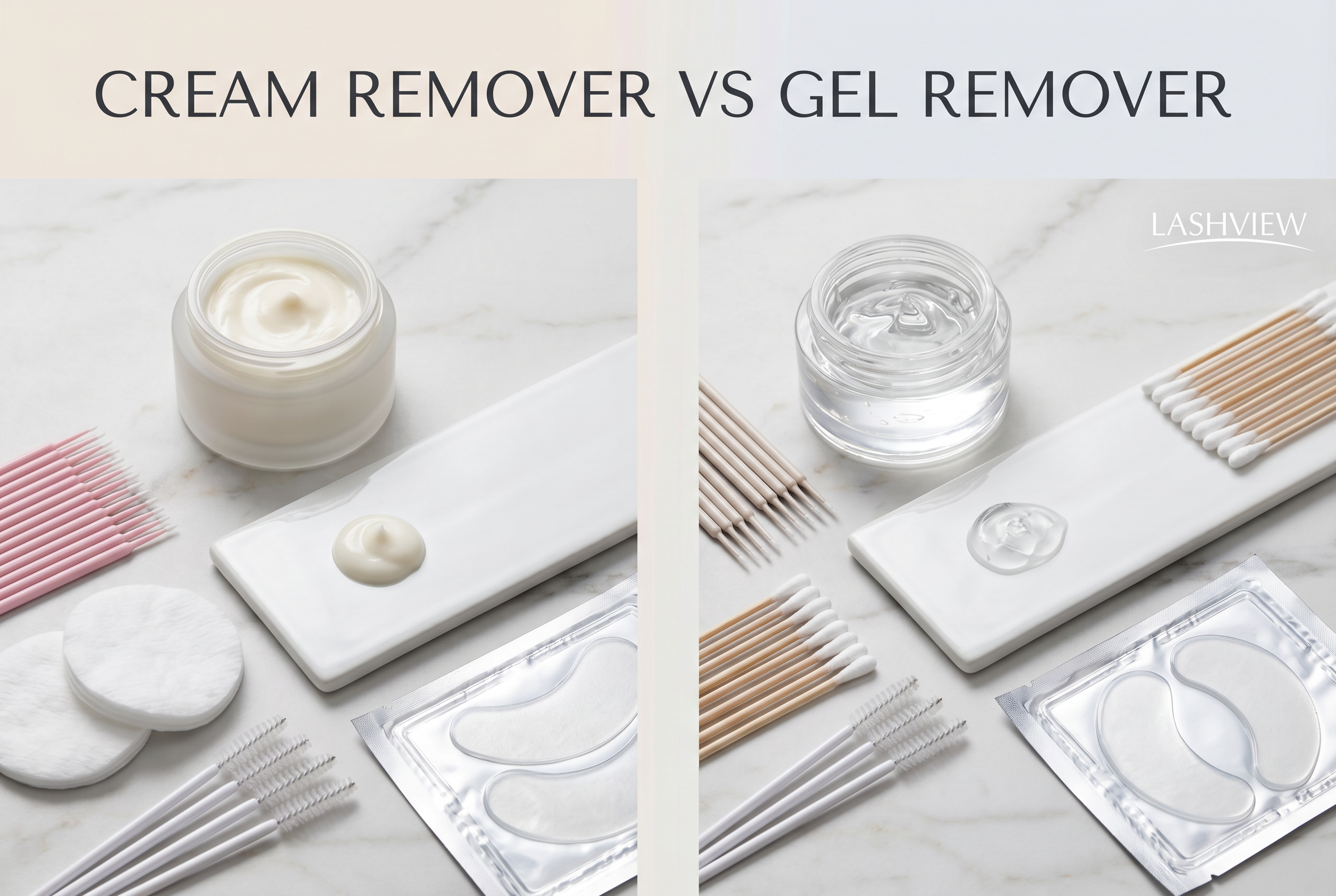
Cream Remover vs. Gel Remover
Not every lash removal appointment calls for the same type of remover. Cream remover and gel remover can both have a place in professional services, but they usually fit different working styles and different service situations.
In general, cream remover is easier to position as the more controlled option for full removals. Gel remover, on the other hand, is more often associated with targeted correction work, especially in infill appointments where a lash artist may only need to remove a smaller number of grown-out extensions.
That does not mean one is always better than the other. It means the service in front of you matters more than product hype. If your goal is a calmer, more standardized full-removal workflow, cream remover is often the easier starting point. If you are handling isolated correction work and already have strong product control, gel remover may fit that situation better.
When Lash Techs Should Choose Full Removal
Not every set should be refilled. Sometimes a refill is the right choice. Sometimes it is not.
A full removal often makes more sense when the set has grown out too far, the structure has become inconsistent, the client wants a major style change, or the old set is no longer worth preserving. In those situations, continuing to build on top of the old work can create more complexity instead of less.
A full removal can also give the lash artist something extremely valuable: a cleaner reset. That reset can improve service control, make styling decisions easier, and create a better setup for the next full set.
This is one of the most important mindset shifts for newer lash techs. A full removal is not a failure of the previous set. In many cases, it is simply the more professional service path.
How to Use Cream Eyelash Remover Safely
A safe cream remover workflow starts before the product touches the lashes. First, prepare the station. Make sure the service area is clean, your tools are ready, and the eye area is properly protected.
Next, place the remover where it is meant to work: at the adhesive bond area. Do not think in terms of “more product equals faster results.” In most professional workflows, control matters more than excess. A controlled amount, placed with intention, usually supports a cleaner service than overloading the area.
After application, allow the product to work according to directions. This is where patience becomes part of professional technique. Lash removal should not feel rushed. If the extensions are not releasing smoothly, pause and reassess rather than forcing the process.
Once the adhesive has softened, remove the extensions gently. Then clean away residue thoroughly. A removal service should not end with “the extensions are off.” It should end with the natural lashes reassessed and the working base brought back to a cleaner, more manageable condition.
View the Cream Remover / Remover Kit on Amazon
Sanitation Before and After Removal
Sanitation should never be treated as background work. It is part of the visible professionalism of the service.
Before the appointment begins, the workstation should feel clean, organized, and ready. During the service, eye-area protection and controlled product handling both matter. After the service, tools should be cleaned and disinfected properly, then stored in a clean, appropriate space.
For lash artists, sanitation is not just about following rules. It is also part of how clients evaluate trust. A clean setup, clean tools, and clean habits all help reinforce that the service is being handled professionally.
What to Tell Clients After Removal
Client guidance after removal should be simple and clear. This is not the moment for long, technical explanations. It is the moment for instructions that the client will actually remember.
A good aftercare message usually includes a few basics: be gentle with the eye area, avoid rubbing or pulling, keep products around the lashes simple, and reach out to a licensed professional if there are questions before the next appointment.
This kind of guidance does two things at once. It helps the client handle the eye area more appropriately, and it reinforces your role as a professional—not just someone who completed a service, but someone who understands what should happen next.
How Removal Connects to Fresh-Set Prep and Retention
Removal is not the end of the workflow. It is the beginning of the next one.
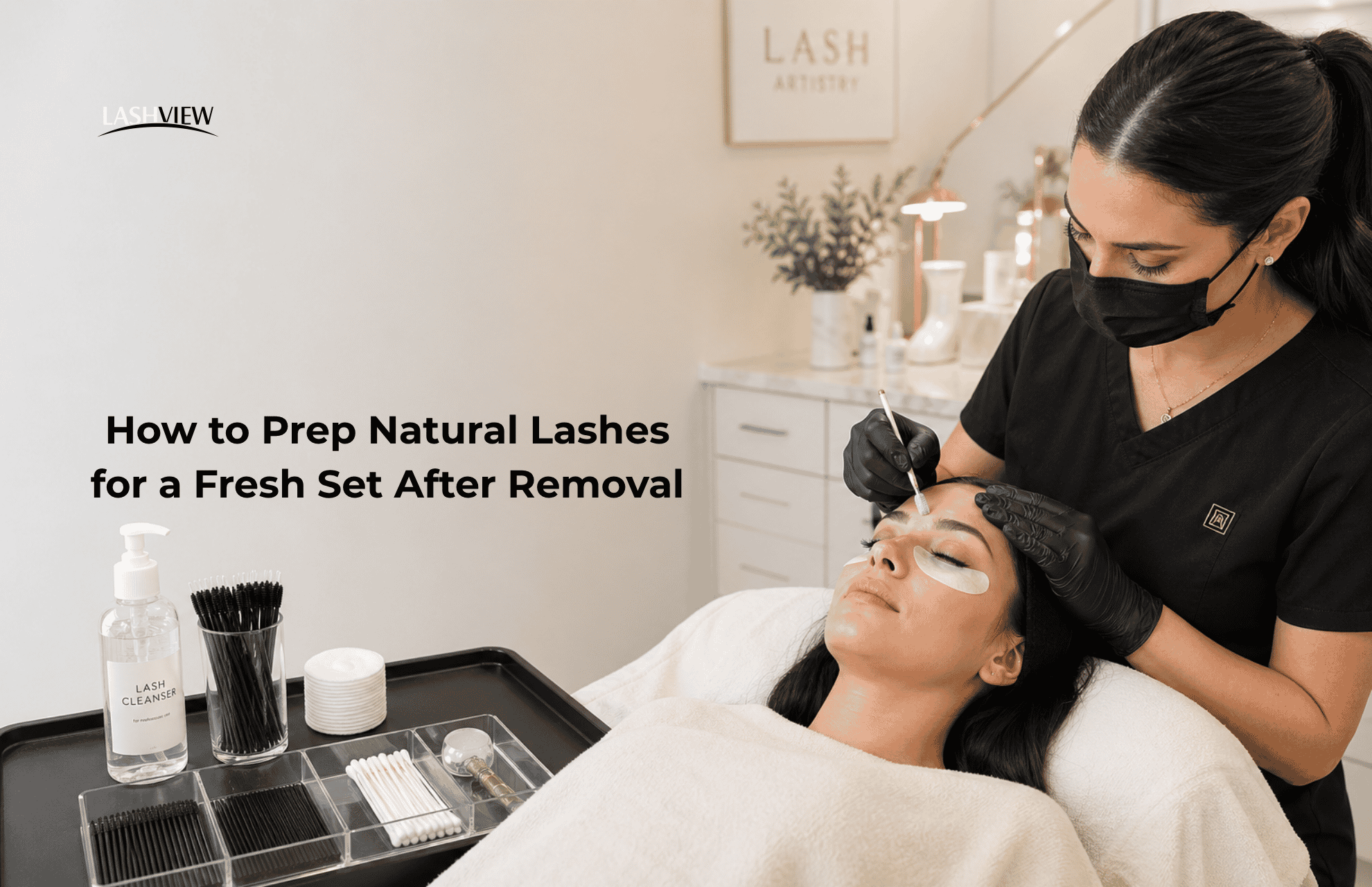
Once the extensions are off, the next priority is not just appearance—it is prep. Residue, oil, makeup remnants, and leftover product can all affect how clean the lash line really is. And a cleaner base usually creates better conditions for whatever comes next.
This is why removal should always be connected to prep and retention thinking. If the next service is a fresh set, then the natural lashes need to be reassessed and prepared like a real working surface, not just left alone because the old extensions are gone.
A more intentional prep process supports better service control, clearer product decisions, and a more consistent foundation for the next set.
Explore More Professional Lash Prep Essentials on Amazon
FAQ
Can clients remove lash extensions at home?
For professional-quality removal, it is better to position removal as a service performed by a trained lash professional rather than something clients should improvise at home.
Is cream remover better for full removals?
It is often easier to position cream remover as a better fit for full removals because control matters so much in those appointments.
Can cream remover be used during fills?
The better answer is that the service goal matters first. Some appointments need full removal, while others only need targeted correction.
Do lashes need cleansing after removal?
Yes. A cleaner base is an important part of preparing for whatever comes next.
When should a client book a fresh set after removal?
That depends on service readiness, cleanliness of the working base, and the lash artist’s professional judgment.
A professional lash removal service should leave the client feeling cared for—not rushed. When lash techs use the right remover, follow a controlled process, keep sanitation standards high, and give clear aftercare guidance, removal becomes more than a cleanup step. It becomes the foundation for the next better service.