Eyebrow tint has a funny way of looking the boldest right after the appointment. The brows feel freshly framed, the gaps look softer, and light brow hairs suddenly show up in the mirror. Then, a few face washes later, the shape starts to look less crisp. For many clients, that is the moment the question comes up: Did the tint fade too fast, or is this normal?
The answer depends on what part of the result you are looking at. Brow tint does not fade as a single layer. The color on the skin and the color on the brow hairs usually fade on different timelines. That is why a tint can look very defined on day one, softer by the end of the first week, and still leave the brow hairs darker for longer.
Healthline describes eyebrow tinting as a semi-permanent brow color service that typically lasts around three to six weeks, while Byrdie notes that tint on brow hairs may last around two to four weeks, and skin stain often fades faster, around a week.
This guide explains the difference between skin stain and brow hair color, what a normal fade timeline looks like, why some brows lose color faster, and how aftercare can help the result stay polished for longer.
For the full brow tint foundation, start with our eyebrow tint guide. For care instructions after tinting, keep brow tint patch test and aftercare close.
Want to support a cleaner brow and eye beauty routine?
Shop Lashview brow and eye beauty essentials on Amazon
The Big Difference: Skin Stain vs Brow Hair Color
The first thing to understand is that eyebrow tint can show up in two places: on the brow hairs and on the skin underneath.
The brow hairs are the main target. When tint catches the hair well, light, fine, or faded brow hairs look darker and more visible. This is what gives brows that fuller, groomed effect even after the initial skin stain fades.
The skin stain is different. It is the soft shadow of color that sits on the skin under and around the brow hairs. Skin stain can make the brow shape look sharper right away, especially on sparse brows, but it usually does not last as long as the color on the hair. Byrdie’s eyebrow tinting coverage also separates the two effects, noting that the skin stain tends to fade faster than the color on the individual hairs.
That is why day-one brows can feel more dramatic than week-two brows. The brow hairs may still be tinted, but once the skin stain softens, the shape looks less filled in.
Eyebrow Tint Fade Timeline
The most useful way to talk about brow tint longevity is through a realistic timeline. This helps clients understand what is normal before assuming the service failed.
| Timeline | What Brows Usually Look Like |
|---|---|
| Day 1 | Brows look darkest and most defined, especially when the skin stain is visible. |
| Days 2–3 | The result begins to soften as excess surface color settles |
| End of Week 1 | Skin stain often fades noticeably; brow hairs may still look darker |
| Weeks 2–3 | Hair color gradually softens, especially with frequent cleansing or exfoliation. |
| Weeks 3–6 | Remaining tint becomes subtle; many clients start thinking about refresh timing. |
This timeline is not a promise. It is a normal range. Healthline gives a general three-to-six-week estimate for eyebrow tinting, while beauty editorial sources often describe shorter timelines for skin stain and a softer few-week fade for brow hairs.
A client who expects the skin stain to stay sharp for a month will almost always feel disappointed. A client who understands that skin stain fades first is much more likely to see the result accurately.
Why Brow Tint Looks Darker on Day One
Fresh brow tint often looks deeper for three reasons. The color has just been applied, the skin underneath may be stained, and the brow hairs are freshly groomed into place.
This is especially noticeable on people with sparse brows. When the skin stain fills the spaces between hairs, the brows look more complete. As that stain fades, the brows may still be darker than before, but the gaps become more visible again.
This does not always mean the tint faded too fast. It may simply mean the first-day result was partly skin stain. The more sparse the brow, the more obvious that shift can feel.
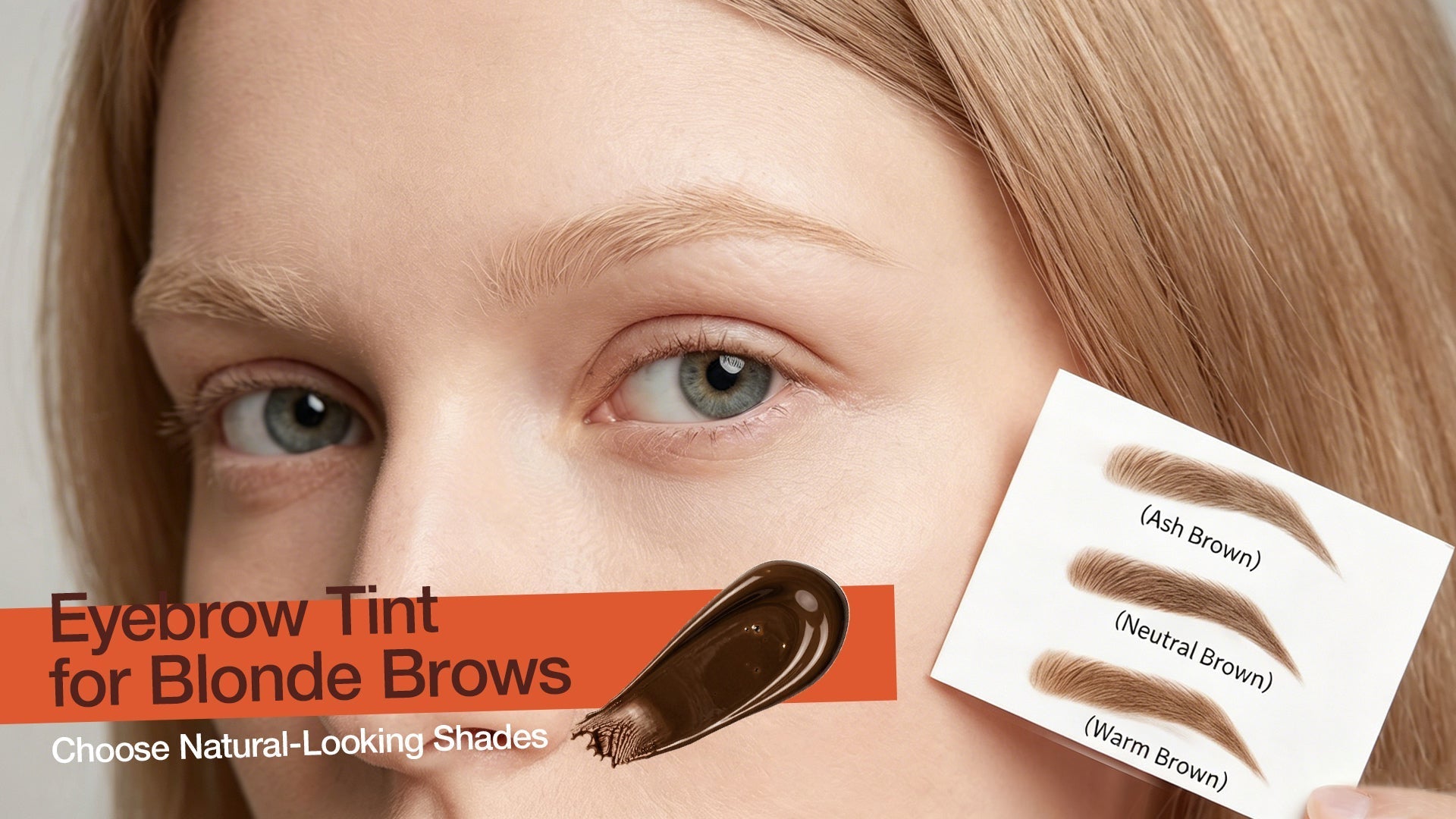
For clients with very light or blonde brows, this conversation matters even more. A soft tint can look like a big transformation at first, then settle quickly as the skin stain fades. The follow-up article eyebrow tint for blonde brows should handle shade expectations in more detail.
Why Eyebrow Tint Fades Faster on Some People
Brow tint does not live on a blank canvas. It lives on skin that produces oil, sheds cells, gets cleansed twice a day, and may be exposed to exfoliating skincare, sunscreen, sweat, and makeup remover.
Oily skin often breaks down the skin stain faster. Strong skincare can also shorten the fresh-tint look, especially with acids, retinoids, and frequent exfoliation around the brow area. Oil-based cleansers and cleansing balms can be wonderful for makeup removal, but they may also soften the look of tint faster when used heavily through the brows.
Lifestyle plays a part too. Swimming, steam, heavy sweating, and frequent face washing can all make the brow color look softer sooner. Sun exposure can also affect how fresh cosmetic color appears over time.
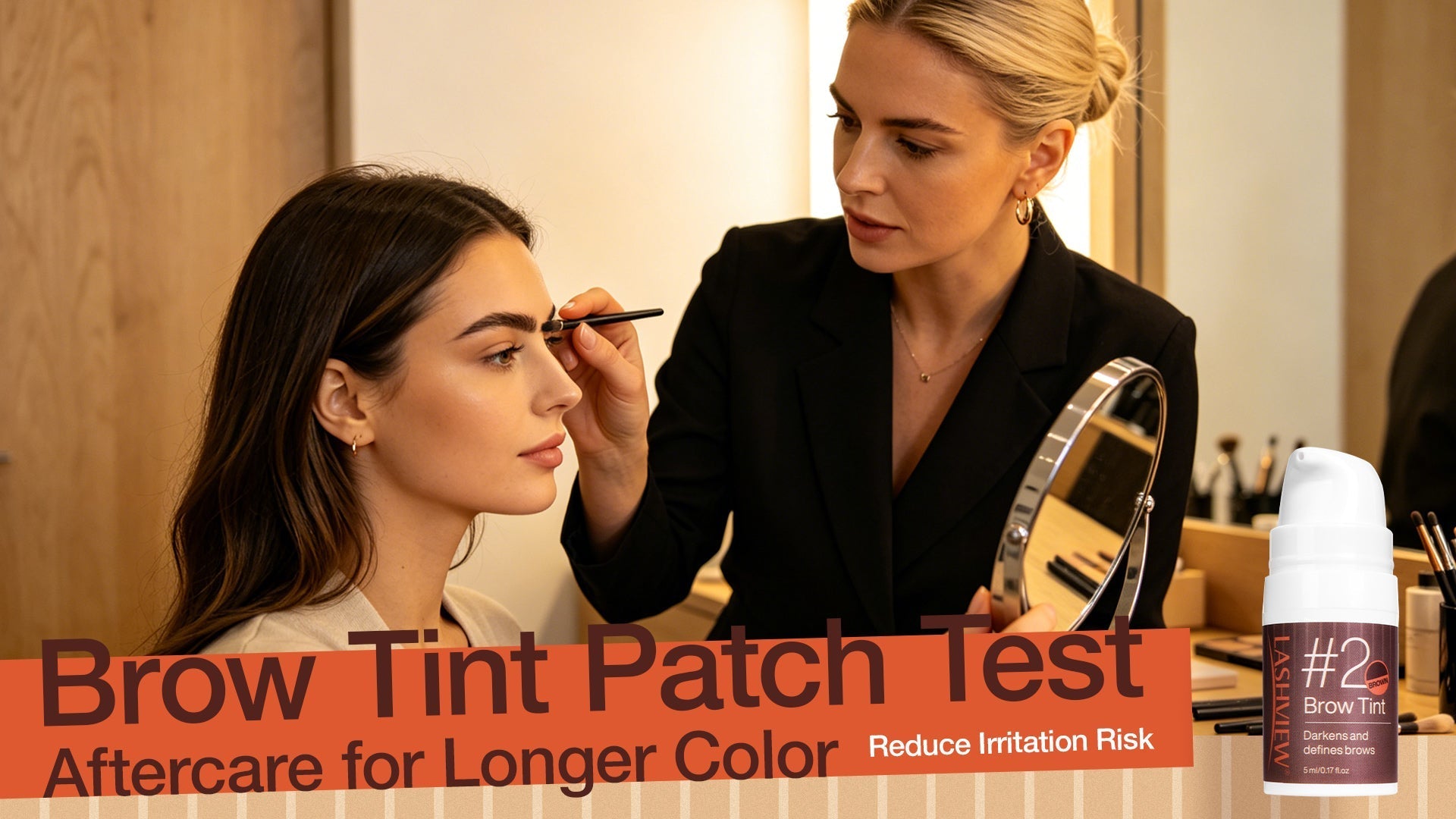
This is why aftercare matters. Brow tint does not need a complicated routine, but it does benefit from a lighter touch around the brow area. Our brow tint patch test and aftercare guide is the best internal link for this section.
Normal Fade vs Problem Fade
A normal fade usually looks gradual. The brows are bold at first, then the skin stain softens, and the hair color slowly becomes less intense. The shape still looks tidy, just less filled in.
A problem fade feels different. The color may look patchy almost immediately, one brow may fade much faster than the other, or the tint may never seem to catch the hair in the first place. Very uneven fading can come from skincare residue, oil, uneven application, poor prep, skin condition, hair texture, or a shade that was too light for the desired result.
There is also a difference between fading and irritation. Redness, itching, swelling, burning, or blistering is not a normal “fade” issue. DermNet notes that PPD, a common hair dye ingredient, can trigger allergic contact dermatitis in sensitive people, and FDA guidance warns that permanent eyelash and eyebrow tints and dyes have been associated with serious eye injuries.
That is why tint content should always separate beauty expectations from safety symptoms. A softening brow is normal. An irritated eye area deserves caution.
Why Blonde Brows Often Feel Like They Fade Faster
Blonde and very light brows create the biggest before-and-after contrast. A small amount of tint can make them look dramatically fuller on day one, but the softening phase is also more noticeable.
The issue is not always that blonde brows fade faster in a chemical sense. It is that every bit of fading is easier to see. Once the skin stain fades, the brow may still have color, but the change from the first day feels more dramatic.
Shade choice also matters. Too light, and the result may disappear quickly. Too dark, and the brows can look harsh for the first few days. The sweet spot is usually a soft taupe, ash brown, or neutral light brown, depending on hair color and skin tone.
Readers with light brow concerns should continue to eyebrow tint for blonde brows.
How to Make Eyebrow Tint Last Longer
Longer-lasting brow tint starts with realistic aftercare, not over-maintenance. The goal is to let the tint settle, then treat the brow area gently.
On the first day after tinting, the brow area should stay calm. Many professional aftercare routines recommend avoiding heavy moisture, steam, swimming, intense sweating, oil-based products, and exfoliating skincare around the brows early on. Byrdie’s tinting guidance also points to keeping brows dry initially and avoiding rubbing, oil-based products, and direct sunlight to help preserve the result.
After that early window, the best habit is simple: cleanse around the brows rather than scrubbing through them. Strong exfoliants can still be used elsewhere on the face, but the brow area does not need the same pressure. A clean spoolie is enough for grooming. Towels should press, not rub.
Clients who use retinoids or acids can still maintain a skincare routine, but they should be more precise around the brows. Treat tinted brows like fresh hair color: the less friction and stripping, the better the fade.
What Does Not Make Brow Tint Last Longer
Brow tint cannot be made permanent with extra product, repeated scrubbing, or layering random dyes on top. In fact, most “fixes” people try at home make the situation worse.
Beard dye is a common example. People search for it because they want a stronger, longer-lasting brow result, but stronger does not automatically mean safer. The FDA tells consumers not to dye or tint eyebrows or eyelashes at home and notes that silver nitrate use for brow and lash coloring is limited to specific professional-use cosmetic conditions.
So the better answer is not a stronger shortcut. The better answer is better expectations, better shade selection, proper aftercare, and professional guidance for people who want a more defined result.
For this search intent, direct readers to can you use beard dye on eyebrows rather than offering a DIY workaround.
Skin Type and Brow Hair Texture Matter
Tint looks different on different brows because brow hair is not identical from person to person. Coarse brow hairs may hold color differently from fine, soft brow hairs. Sparse brows depend more on skin stain for that full-looking first-day effect. Dense brows may keep a defined appearance longer because more hair is available to hold color.
Skin type changes the result, too. Oily skin often fades skin stain faster, while dry skin may hold surface color slightly longer, but can also look patchy when the skin is flaky. Active skincare users may notice faster fading around the brow tail or lower edge, where products are applied most often.
This is why salons should avoid promising one exact number of days. A better client message is: brow hair color can last a few weeks, skin stain fades faster, and daily habits determine how polished the result looks in between.
When to Refresh Eyebrow Tint
Most clients think about refreshing tint when the brows no longer frame the face the way they did in the first week. That may happen around week three for some people and closer to week six for others.
The right timing depends on the desired look. A client who loves a crisp brow shape may prefer more frequent appointments. Someone who likes a soft, natural brow can wait longer between services.
There is one important caution: refreshing too soon over irritated skin is not worth it. The brow area should feel calm before another color service. FDA and dermatology guidance both support a cautious approach around eye-area color and potential dye reactions.
For salons, this is a good retention moment. Rather than saying “come back every four weeks” as a rule, frame it as a fade check: hair color, skin stain, comfort, skincare routine, and desired brow intensity all matter.
FAQ: How Long Does Eyebrow Tint Last?
How long does eyebrow tint last on brow hair?
Brow hair tint commonly lasts a few weeks. Healthline gives a general three-to-six-week estimate for eyebrow tinting, while Byrdie describes tint on individual hairs as lasting around two to four weeks.
How long does eyebrow tint last on skin?
Skin stain usually fades faster than hair color. Byrdie notes that the skin stain from eyebrow tinting can fade in about a week, while the color on the hair lasts longer.
Why did my eyebrow tint fade after a few days?
The skin stain may have faded while the brow hairs are still tinted. Oil, cleansing, exfoliating skincare, sweat, swimming, and rubbing can also make the result soften faster.
Is it normal for brow tint to look too dark at first?
Fresh brow tint often looks darkest on day one because both the brow hairs and the skin underneath may be colored. The result usually softens as the skin stain fades.
How can eyebrow tint last longer?
Gentle aftercare helps. Keep the area calm at first, avoid scrubbing, use oil-based products carefully around the brows, and keep exfoliating acids and retinoids away from the brow area when possible. For a full routine, read brow tint patch test and aftercare.
Does eyebrow tint last longer than brow gel?
Yes. Brow tint is semi-permanent, while most brow gels are makeup products that wash off. Brow gel is lower commitment, but tint lasts longer when done and cared for properly.
Why does brow tint fade faster on blonde brows?
The change is more visible on light brows. As the skin stain fades, blonde brows may still have color, but the softening feels more noticeable because the original contrast was stronger.
Is fast fading a safety concern?
Fast fading by itself is usually a beauty result issue, not a safety issue. Redness, swelling, itching, burning, blistering, or eye discomfort is different and should be treated cautiously.
Final Takeaway
Eyebrow tint does not fade in one simple line. The skin stain fades first, usually making the brows look less sharp within the first week. The brow hair color can last longer, often for a few weeks, depending on the formula, hair texture, skin type, skincare, and aftercare.
That first-day brow is not always the “true” long-term result. It is the boldest version. The more realistic result is the softer brow that remains after the skin stain settles.
For clients, the best approach is simple: understand the timeline, care for the brows gently, and do not chase longer wear with risky shortcuts. For salons and beauty brands, clear expectation-setting is the difference between a confused customer and a satisfied one.
Ready to keep your brow and eye routine simple?
Shop Lashview brow and eye beauty essentials on Amazon