Beard dye on eyebrows is one of those beauty shortcuts that sounds clever at first. Beard hair is short. Brow hair is short. The product is easy to buy. The color payoff looks stronger than a brow gel. For someone with pale, patchy, or fading brows, the idea can feel almost too convenient.
But the eye area changes the whole conversation.
Eyebrows are not just “small facial hair.” They sit directly above the eyes, on thinner and more reactive skin, close to the tear ducts, eyelids, and the delicate surface of the eye. A product that is designed for beard hair is not automatically appropriate for brows simply because both are on the face.
For U.S. readers, this topic needs a careful answer. The FDA tells consumers not to dye or tint eyebrows or eyelashes at home, and its hair dye guidance specifically says hair dyes should be kept away from the eyes and not used on eyebrows or eyelashes because this can hurt the eyes and may even cause blindness.
So the short beauty editor's answer is: beard dye should not be treated as a safe default eyebrow tint substitute. The better move is to understand the risk, clarify what result you actually want, and choose a broader option designed for that level of commitment.
For the full brow tint foundation, start with our eyebrow tint guide. For sensitivity and aftercare, save brow tint patch test and aftercare.
Want a simpler brow and eye beauty routine without risky shortcuts?
Shop Lashview brow and eye beauty essentials on Amazon
Why People Use Beard Dye on Eyebrows in the First Place
The search intent is easy to understand. People want fuller-looking brows without drawing them in every morning. Brow gel washes off. A pencil takes time. Salon appointments cost money. Beard dye appears to offer stronger color and longer wear with one inexpensive product.
The appeal is especially obvious for people with blonde brows, gray brows, sparse tails, or brow hairs that disappear in photos. A darker brow can make the eyes look more awake, and the face look more finished.
But this is where beauty shortcuts become tricky. A product can solve the color problem while creating a safety problem. Beard dye may color facial hair, but the eyebrow area has a different risk profile because of its closeness to the eyes.
The better question is not “Will beard dye color eyebrow hair?” It probably can. The better question is “Is this product intended and appropriate for use in the eye area?” For U.S.-focused beauty content, that answer needs caution.
Beard Dye vs Eyebrow Tint: They Are Not the Same Decision
Beard dye and brow tint may both darken hair, but they are not interchangeable categories.
Beard dye is generally marketed for facial hair such as beards, mustaches, and sideburns. Brow tint is meant to address eyebrow appearance, usually through professional services or brow-specific products. Even then, U.S. readers need to understand that brow and lash tinting is a regulated and sensitive category.
The FDA has provided for the safe use of silver nitrate only as a color additive in professional-use only cosmetics for coloring eyebrows and eyelashes, with restrictions such as up to 4% silver nitrate by weight in a viscous gel product. FDA consumer guidance also says not to dye or tint eyebrows or eyelashes at home.
This is why a beard dye package that seems familiar should not be treated as a brow product by default. The intended area of use matters.
The Eye-Area Risk Is the Real Issue
The concern is not only that the brow could turn too dark. The bigger issue is what happens when a dye product migrates, drips, smears, or is accidentally rubbed toward the eye.
The American Academy of Ophthalmology warns that eyebrow and eyelash enhancements pose health dangers because they happen so close to the eyes, and that eyelid skin can react strongly to chemicals in dyes or glues.
A reaction around the eyes is different from a reaction on the jawline. Swelling can interfere with vision. Irritation can make someone rub their eye and worsen the problem. A dye that gets into the eye can create a much more serious situation than an uneven brow color.
That is why this topic should not be written like a hack. A “quick brow dye trick” may look harmless in a short video, but the risk is happening in one of the most sensitive areas of the face.
Ingredient Risk: PPD and Hair Dye Reactions
Many permanent and some semi-permanent hair dyes contain PPD, short for paraphenylenediamine. NHS guidance describes PPD as a chemical known to irritate skin or cause allergic reactions, and lists common hair dye reaction symptoms such as stinging, burning, itchy rash, dryness, soreness, and blisters. Symptoms may take up to 72 hours to appear.
DermNet explains that PPD is widely used in permanent hair dye because it creates a natural-looking color that can withstand shampooing, but partially oxidized PPD may cause allergic contact dermatitis in sensitive people. DermNet also notes that darker shades can contain higher concentrations of PPD and that reactions may involve the eyelids, face, scalp, or neck.
This does not mean every person will react to every dye. It does mean that dye near the brows is not casual. A patch test can reduce some uncertainty, but DermNet also notes that a negative patch test does not guarantee freedom from reaction.
For a brand article, the responsible framing is clear: patch testing matters, but it does not magically turn a non-brow product into an eye-area product.
Patch Testing Is Not a Permission Slip
Patch testing is often used in hair color conversations, but it gets misunderstood online. People sometimes treat it as a simple green light: no reaction on the arm, so the product must be fine for brows.
That is not how the risk works.
A patch test can help identify obvious sensitivity, but the brow area is closer to the eyes and can be more reactive than a patch of skin elsewhere. Product placement, timing, accidental migration, and the user’s ability to apply cleanly all matter.
NHS guidance says hair dye symptoms can appear up to 72 hours after exposure and warns against continuing to use dye after a patch or strand test reaction. DermNet also notes that patch testing itself cannot guarantee that future reactions will not happen.
So the message should be practical: patch testing is important for products that require it, but it is not a workaround for using the wrong product near the eyes.
Shade Risk: Beard Dye Can Turn Brows Too Dark
Even before safety, there is a beauty result problem. Beard dye can be too strong for brows, especially blonde, light brown, gray, or sparse brows.
Brow hairs are small and visible in the center of the face. A shade that looks natural on a beard can look heavy above the eyes. Dark brows can be beautiful, but a too-dark brow on light hair can change the entire face in a way that feels harsh.
This is especially common with blonde brows. A user wants a soft definition and ends up with a brow that looks several levels too deep. The first instinct is usually to scrub, exfoliate, or apply more product to “fix” it, which can irritate the brow area even more.
For blonde readers, send them to eyebrow tint for blonde brows instead of encouraging a stronger dye shortcut.
Skin Stain Risk: Fuller at First, Patchy Later
A lot of people want beard dye on eyebrows because they are not only trying to darken brow hairs. They want the skin underneath to look filled in, too.
That first result can look satisfying because the skin stain creates the illusion of density. But skin stain is also the part that can go wrong quickly. It may grab unevenly, stain outside the desired brow shape, or fade patchily as the skin naturally sheds and gets cleansed.
Byrdie’s eyebrow tinting coverage notes that brow tint can stain both the skin and brow hairs, with skin stain fading faster than hair color. That distinction matters because a product that creates a sharp day-one brow may not age gracefully over the next several days.
For a better expectation-setting article, link readers to how long eyebrow tint lasts.
What to Do Instead of Beard Dye
The right alternative depends on the actual brow problem.
A person with pale brow hairs may be better served by a professional brow tint conversation or a brow-specific temporary product. Someone with sparse gaps may need a pencil, powder, tinted gel, or a longer-term professional option rather than simply darker hair. Someone nervous about reactions may want to begin with washable brow makeup before considering any color service.
A tinted brow gel is the lowest-commitment option. It gives color and shape for the day, then washes off. It is especially useful for people testing whether they even like a darker brow.
A brow pencil or powder is better when the issue is a missing shape rather than pale hair. Tint only colors what exists; makeup can sketch a shape where hair is sparse.
A professional brow service may be more appropriate when the user wants longer-lasting definition but does not want to guess at shade, timing, or placement. That service still requires safety awareness, ingredient review, and patch testing where appropriate.
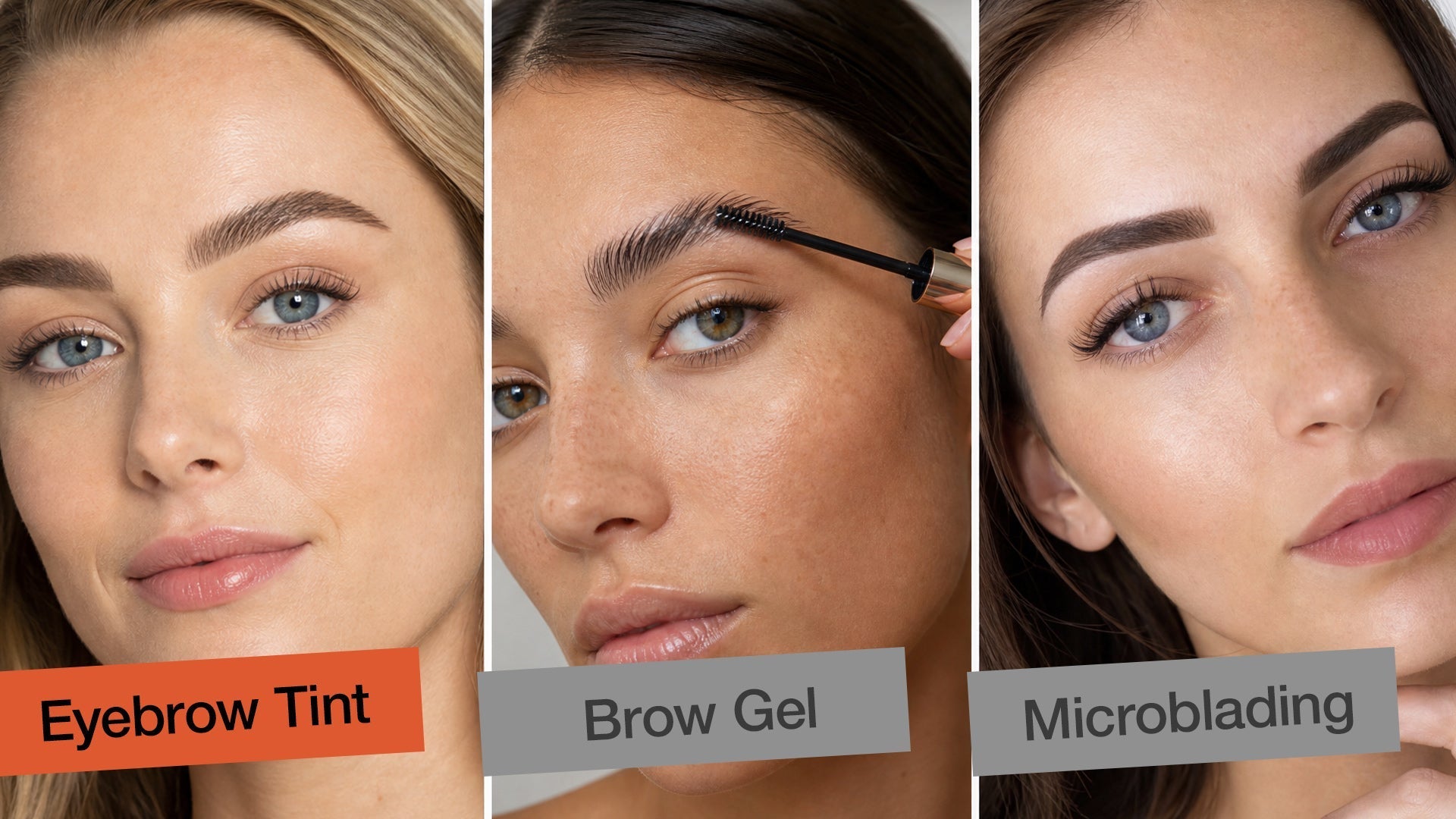
For readers comparing options, send them to eyebrow tint vs brow gel vs microblading.
The U.S. Safety Position for Beauty Brands
A U.S.-focused beauty brand should be careful with this topic. The article can capture the search demand, but it should not give application steps, processing times, mixing ratios, or “how to use beard dye on eyebrows” instructions.
The safer content position is:
|
Reader Question |
Safer Editorial Response |
|
Can beard dye color eyebrow hair? |
It may color hair, but that does not make it appropriate for the eye area. |
|
Is beard dye a safe brow tint substitute? |
It should not be treated as a safe default substitute. |
|
Does patch testing make it okay? |
Patch testing can help screen for reactions, but it does not change the product’s intended use. |
|
Why do people try it? |
They want stronger, longer-lasting brow definition. |
|
What should they consider instead? |
Brow gel, pencil, powder, professional brow services, or brow-specific options. |
This approach lets the page rank for the question without turning into unsafe DIY guidance.
What Not to Do
This section is intentionally direct.
Do not apply beard dye near the eyes just because it worked for someone online. Do not leave any dye product on longer than the package instructions say. Do not continue using a dye after burning, swelling, itching, rash, or blistering. Do not try to “correct” a too-dark brow with aggressive scrubbing or random chemicals. Do not assume a previous safe use means the next use will be safe.
NHS guidance notes that hair dye reactions can include stinging, burning, itchy rash, dryness, soreness, and blisters, and that symptoms may appear up to 72 hours later. Around the eyes, those warning signs deserve extra caution.
When to Seek Help
Mild irritation still deserves attention, but eye symptoms raise the stakes. Pain, swelling, vision changes, severe rash, blistering, or a reaction that worsens should not be handled as a beauty inconvenience.
NHS guidance advises medical help when hair dye reaction symptoms get worse and urgent help for signs of a serious allergic reaction, including swelling of the lips, mouth, throat, or tongue; breathing difficulty; throat tightness; confusion; or fainting.
For U.S. readers, the FDA’s broader eye cosmetic safety guidance also supports stopping the use of eye cosmetics that cause irritation and seeking medical care when irritation persists.
FAQ: Beard Dye on Eyebrows
Can you use beard dye on eyebrows?
Beard dye should not be treated as a safe default eyebrow tint substitute. It may color brow hair, but the eyebrow area is close to the eyes, and FDA guidance tells consumers not to dye or tint eyebrows or eyelashes at home.
Is beard dye the same as eyebrow tint?
No. Beard dye and eyebrow tint are not the same decision. Beard dye is generally marketed for beard or facial hair, while brow tint involves eye-area considerations and, in the U.S., specific safety and regulatory concerns.
Is Just For Men safe for eyebrows?
This article should not evaluate one specific beard dye as safe for eyebrows without product-specific labeling and professional guidance. The broader safety point remains: a beard dye product should not be assumed appropriate for the eye area.
Can a patch test make beard dye safe for brows?
A patch test can help identify some reactions, but it does not guarantee safety and does not change the intended use of a product. DermNet notes that a negative patch test does not guarantee freedom from reaction.
Why do people use beard dye on eyebrows?
Most people are trying to make light or sparse brows look fuller for longer than brow gel or pencil. The beauty goal is understandable, but the eye-area risk makes the shortcut questionable.
What is safer than beard dye for eyebrows?
Lower-commitment alternatives include tinted brow gel, brow pencil, brow powder, and professional brow services where shade, placement, ingredients, and patch testing can be handled more carefully.
What should I do when eyebrow dye causes burning or swelling?
Stop using the product and do not apply more cosmetics over the area. NHS guidance lists burning, itching, rash, soreness, and blisters as possible hair dye reaction symptoms; worsening symptoms or serious allergic reaction signs require medical help.
What should blondes use instead of beard dye?
Blonde brows usually need subtle definition, not a heavy dark dye. Taupe, ash blonde, soft brown, or neutral brow makeup can look more natural. For shade guidance, read eyebrow tint for blonde brows.
Final Takeaway
Beard dye on eyebrows is popular because it promises a fast fix: darker brows, less daily makeup, and a fuller-looking shape. But the shortcut comes with the wrong kind of uncertainty. The eyebrow area is close to the eyes, dye reactions can be unpredictable, and U.S. guidance is clear that consumers should not dye or tint eyebrows or eyelashes at home.
A better brow plan starts with the actual goal. Pale brow hairs may need soft color. Sparse brows may need shape. A nervous first-timer may need brow gel before any longer-wear option. A beauty professional may help with shade and placement, but even professional services require safety awareness.
The smartest brow result is not the darkest one. It is the one that looks natural, feels comfortable, and does not ask the eye area to take unnecessary risks.
Ready to build a safer brow and eye beauty routine?
Shop Lashview brow and eye beauty essentials on Amazon